![]() |
|
||||||||||||||
|
|
|||||||||||||||||||
| RESEARCH THEME:
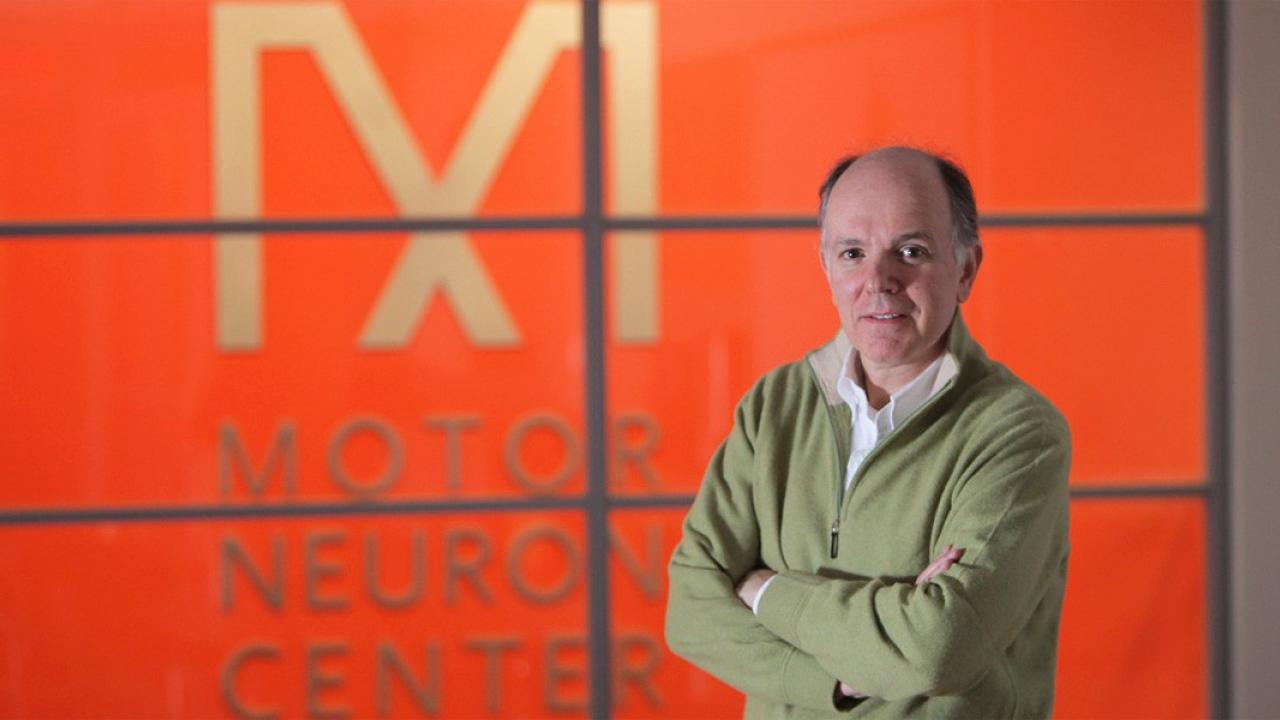
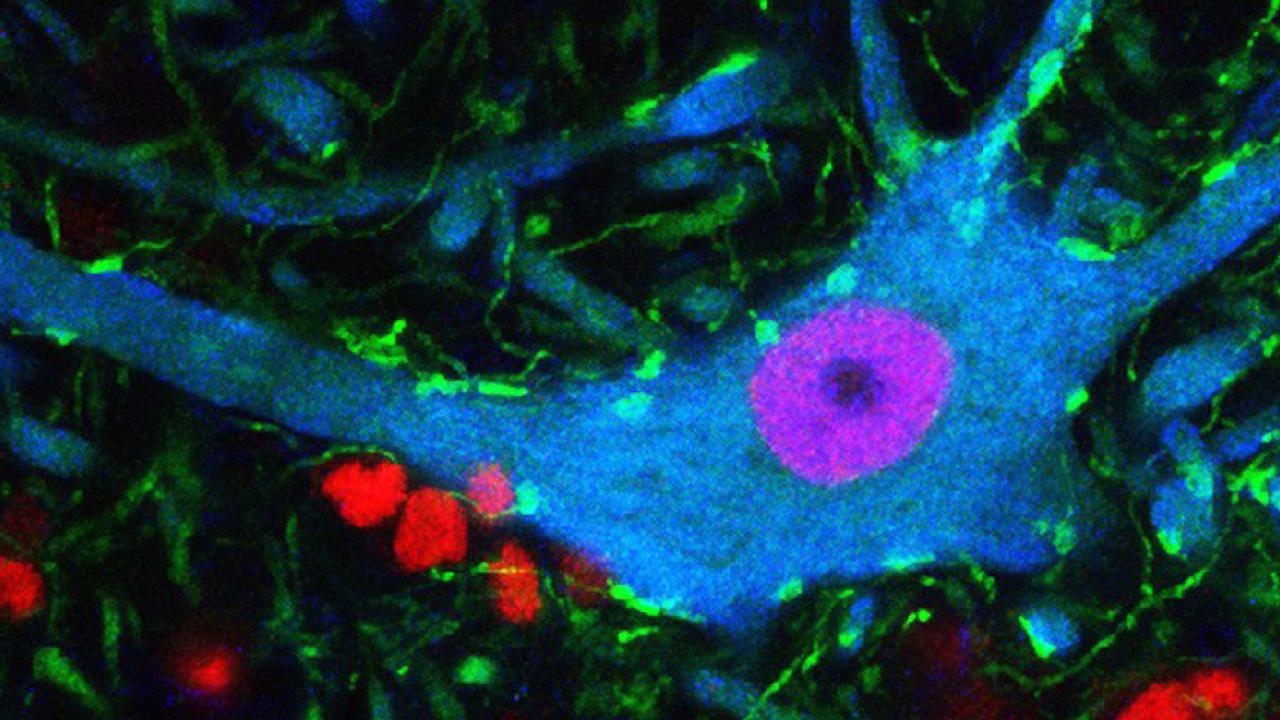
Assembly of Sensory-Motor Circuits The research in my laboratory explores how neural circuits are constructed in the vertebrate central nervous system, and how the organization of these circuits controls vertebrate behaviors. These general problems are being examined through an analysis of circuits in the spinal cord that coordinate locomotor behavior. One critical step in motor neuron differentiation is the formation of precise connections between motor axons and target muscles in the developing limb. Our recent work indicates that three classical attributes of the motor neurons that project to target muscles in the limb -- their remarkable diversity, their stereotyped position, and their connectivity -- are established by a transcriptional regulatory network that involves the Hox genes. The output of this Hox regulatory circuit appears to be mediated through the expression of downstream transcription factors and surface receptors which, in turn, direct target muscle connectivity. We are also examining how the self-organizing features of this Hox transcriptional network endow motor circuits with their high degree of genetic determination. The coordination of motor output depends critically on sensory feedback information provided by proprioceptive sensory neurons. The selectivity of connections formed between sensory afferents and motor neurons is thought to have its basis in the formation of distinct afferent termination zones in the spinal cord, as well as in the recognition of specific motor neuron targets. We have found that the specificity of sensory projections in the spinal cord is controlled by Runx and ETS class transcription factors, and by cell surface recognition proteins of the plexin and cadherin families. We are currently examining how these genes direct the formation of selective sensory-motor connections. The local interneuronal circuits that control vertebrate locomotor behaviors remain obscure. One potential strategy for dissecting these circuits has emerged from our studies showing that each interneuron subtype can be distinguished by the restricted expression of homeodomain transcription factors. Using genetic approaches to eliminate or inactivate specific interneuron subclasses, we have found that V0 interneurons have a key role in establishing alternating left-right motor activity. We are now extending this genetic strategy to unravel the elemental circuits involved in rhythm and pattern generation within the spinal locomotor system. BACKGROUND AND EDUCATION : Thomas Jessell is an Investigator of the Howard Hughes Medical Institute, a Professor of Biochemistry and Molecular Biophysics, and a member of the Center for Neurobiology & Behavior at Columbia University. Dr. Jessell received his Ph.D. in neuroscience from Cambridge University, UK, worked as a post-doctoral fellow at Harvard Medical School, and as a Locke Research Fellow of the Royal Society. In 1981 he became an Assistant Professor in the Department of Neurobiology at Harvard Medical School. In 1985 he moved to Columbia University as an Investigator of the Howard Hughes Medical Institute. EDUCATION AND TRAINING:
SELECTED PUBLICATIONS :
|
![]() Click image to enlarge. IMAGE 2 ![]() Click image to enlarge. IMAGE 3 ![]() Click image to enlarge. IMAGE 4 ![]() Click image to enlarge. |
|||||||||||||||||||
| Home Contact Us © Columbia University Center for Motor Neuron Biology and Disease |